
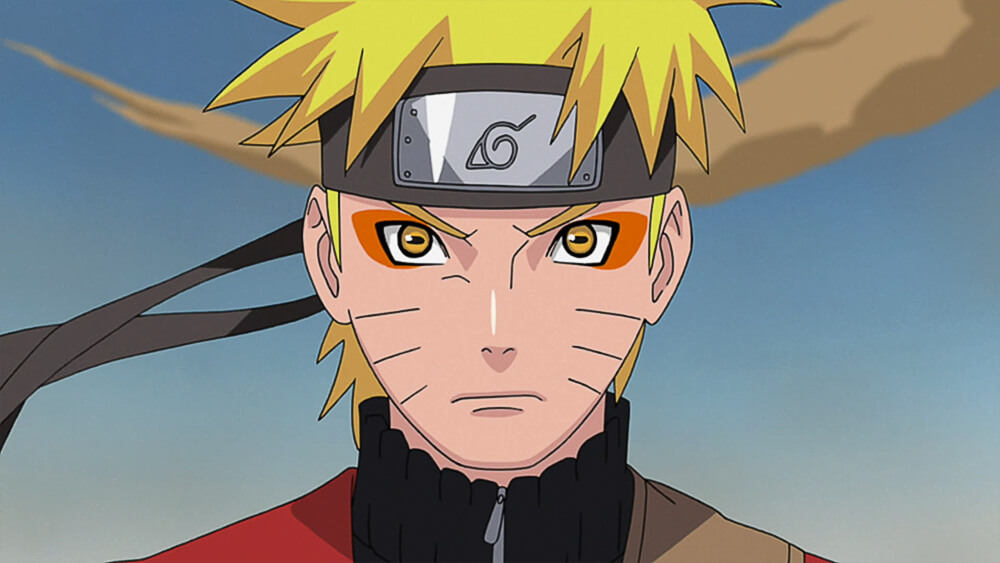
Naruto Uzumaki MBTI Personality Type
Naruto Uzumaki from Naruto is often typed as an ENFP personality type. He is energetic, idealistic, expressive, emotionally driven, and deeply motivated by connection. Naruto is not only a powerful ninja; he is also a character defined by hope, loyalty, resilience, and the desire to be understood.
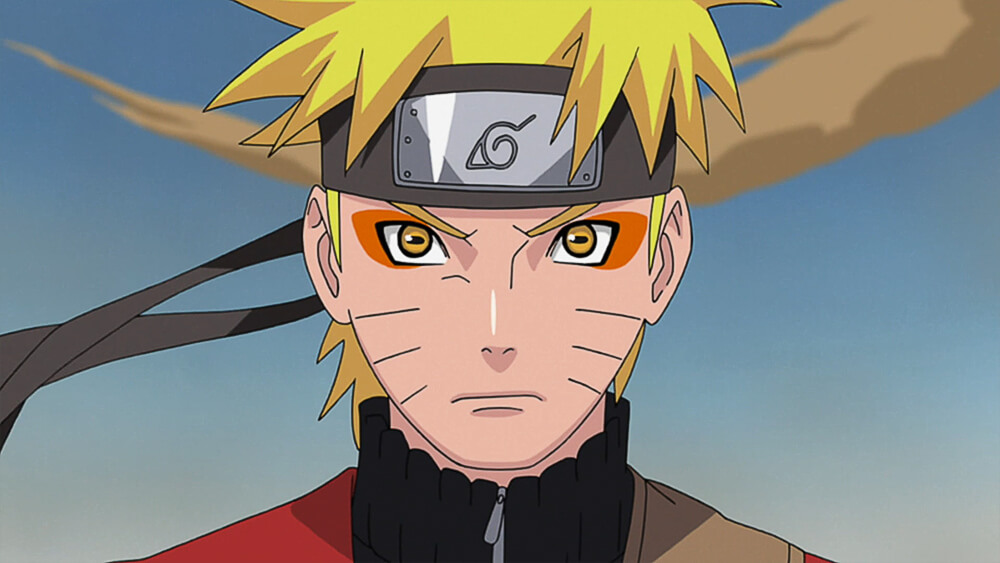
Among anime characters, Naruto is one of the clearest examples of an ENFP personality pattern. He is spontaneous, passionate, people-oriented, imaginative, and strongly guided by personal values. His personality is built around possibility, emotional energy, and the belief that people can change.
| Character | Naruto Uzumaki |
|---|---|
| MBTI Type | ENFP |
| Enneagram | 7w6 or 8w7 |
| Anime / Manga | Naruto |
| Category | Anime / Shonen |
| Alternative Types | ESFP, ENFJ |
Naruto Personality Overview
Naruto Uzumaki is loud, emotional, optimistic, stubborn, and deeply human. At the beginning of his story, he wants recognition more than anything. He acts out, jokes around, and tries to get attention because he has spent much of his childhood feeling rejected and alone.
However, Naruto’s personality is not only about attention-seeking. Beneath his energetic and chaotic behavior is a powerful need for belonging. He wants people to see him, accept him, and believe in him. Over time, that desire grows into something larger: a desire to protect others and create a world where no one has to suffer the loneliness he once felt.
This emotional and idealistic pattern makes ENFP a strong typing for Naruto. ENFPs are often described as enthusiastic, imaginative, people-oriented, value-driven, and deeply motivated by possibility. Naruto shows all of these traits throughout his journey.
Why Naruto is an ENFP
Naruto fits the ENFP personality type because he is driven by hope, connection, freedom, and personal belief. He does not simply follow rules or accept the world as it is. Instead, he challenges expectations and believes that even people who seem lost can still change.
His personality is energetic and outwardly expressive. He speaks openly, reacts strongly, and often follows his heart before thinking through every detail. At the same time, he has a surprisingly deep emotional understanding of pain, loneliness, and rejection.
Some of the strongest ENFP traits Naruto shows include:
- Optimism: Naruto believes in possibilities even when others give up.
- Emotional energy: He expresses joy, anger, sadness, and determination openly.
- Empathy: He understands loneliness and uses that understanding to connect with others.
- Idealism: He wants to create a better future for his friends and village.
- Spontaneity: He often acts quickly and improvises in difficult situations.
- Strong values: He refuses to abandon people he cares about.
Naruto is not a cold strategist or a detached thinker. He is a character led by heart, possibility, and belief. That is why ENFP is a strong fit for him.
Naruto’s Cognitive Functions
Dominant Function: Extraverted Intuition
If Naruto is an ENFP, his dominant function is Extraverted Intuition. This function is connected to possibilities, creativity, improvisation, and seeing alternatives that others may miss.
Naruto often finds unexpected ways to solve problems. He does not always follow standard methods or traditional strategies. Instead, he uses creativity, surprise, and emotional instinct to change the situation. His fighting style often reflects this: unpredictable, energetic, and full of improvisation.
Extraverted Intuition also explains Naruto’s belief that people can change. He sees potential where others see only failure, danger, or darkness. This ability to imagine a different future is one of his most important traits.
Auxiliary Function: Introverted Feeling
Naruto’s auxiliary function is best understood as Introverted Feeling. This function is connected to personal values, emotional authenticity, identity, and inner conviction.
Naruto does not follow his ninja way because it is convenient or socially expected. He follows it because it feels deeply true to who he is. His promises, friendships, and beliefs are personal. When he says he will not give up on someone, he means it from the core of his identity.
This Introverted Feeling also explains his intense reaction to rejection and loneliness. Naruto’s emotional world is powerful, even if he often expresses it through loud behavior, jokes, or determination.
Tertiary Function: Extraverted Thinking
Naruto also shows signs of Extraverted Thinking, especially as he matures. This function is connected to action, results, organization, and practical execution.
Early in the story, Naruto may seem chaotic and impulsive. But over time, he becomes better at turning his ideals into real action. He learns discipline, leadership, and responsibility. His growth shows the development of a more focused and effective side of his personality.
Inferior Function: Introverted Sensing
Naruto’s weaker function may be Introverted Sensing. This can show up in his difficulty with routine, careful planning, and patience. He often prefers action and possibility over slow, traditional methods.
However, memory and past pain still matter deeply to him. His childhood loneliness becomes part of his identity and motivation. His growth involves learning from the past without being trapped by it.
ENFP Traits in Naruto
| ENFP Trait | How Naruto Shows It |
|---|---|
| Energetic | He expresses himself loudly, openly, and with strong emotional force. |
| Idealistic | He believes in a better future and refuses to give up on people. |
| Creative | He uses unpredictable strategies and improvisation in battle. |
| Empathetic | He understands the pain of loneliness and connects with others through it. |
| Value-driven | He follows his own ninja way and stays loyal to his promises. |
| Restless | He is always moving forward, chasing growth, recognition, and connection. |
Is Naruto ENFP or ESFP?
Some fans type Naruto as an ESFP because he is energetic, physical, spontaneous, expressive, and action-oriented. This interpretation makes sense, especially when focusing on his directness, love of movement, and immediate emotional reactions.
However, ENFP is usually the stronger fit because Naruto is not only present-focused. He is strongly possibility-focused. He constantly imagines a different future for himself, his friends, his enemies, and the entire ninja world.
| ESFP | ENFP |
|---|---|
| More focused on immediate experience and action | More focused on possibilities, change, and future potential |
| Usually led by direct sensory engagement | Usually led by imagination, hope, and new possibilities |
| Acts strongly in the present moment | Acts from belief in what people and the world could become |
Naruto has ESFP-like energy, but his core motivation is more idealistic and possibility-driven. That supports ENFP more strongly.
Is Naruto ENFP or ENFJ?
Naruto can also seem like an ENFJ because he inspires people, brings others together, and eventually becomes a leader. His ability to change hearts and motivate others can look very ENFJ-like.
However, ENFP is usually a better fit because Naruto is more spontaneous, personal, and emotionally impulsive than a typical ENFJ. ENFJs often lead through social awareness, structure, and guidance. Naruto leads more through raw belief, emotional honesty, and refusing to give up.
His leadership grows over time, but his core personality remains more individualistic, improvisational, and possibility-driven than socially structured. That makes ENFP the stronger typing.
Naruto’s Enneagram Type
Naruto is often typed as a possible 7w6 or 8w7. Both interpretations can make sense depending on which part of his personality is emphasized.
A 7w6 typing fits his energy, humor, optimism, restlessness, and desire to avoid being trapped in pain or loneliness. Type 7 is often connected to enthusiasm, possibility, and movement, while the 6 wing adds loyalty and attachment to friends.
An 8w7 typing fits his stubbornness, courage, boldness, and refusal to be controlled. Type 8 is often associated with strength, resistance, and protecting oneself and others.
Overall, 7w6 may be the stronger typing for Naruto’s emotional pattern because his personality is so strongly shaped by hope, connection, loyalty, and the need to keep moving forward.
Naruto’s Strengths
Naruto’s greatest strengths come from his resilience, empathy, idealism, and refusal to give up. He may not always be the most polished or strategic character at first, but his emotional strength is extraordinary.
- Resilience: Naruto keeps going despite rejection, failure, and pain.
- Empathy: He understands loneliness and reaches out to others who suffer.
- Determination: He refuses to abandon his goals or his friends.
- Creativity: He finds unexpected ways to solve problems and win battles.
- Hope: He believes change is possible even when others cannot see it.
- Leadership growth: He becomes someone others trust and follow.
At his best, Naruto represents the inspiring side of the ENFP personality type: passionate, hopeful, emotionally honest, and capable of changing people through belief and connection.
Naruto’s Weaknesses
Naruto’s weaknesses often come from impulsiveness, emotional reactivity, and a strong need to be acknowledged. His desire for connection is powerful, but it can also make him reckless or desperate at times.
- Impulsiveness: Naruto often acts before thinking through the full consequences.
- Emotional reactivity: He can be easily provoked when his values or friends are threatened.
- Need for recognition: His early behavior is strongly shaped by wanting others to notice him.
- Stubbornness: He may refuse to back down even when a situation is dangerous.
- Difficulty with routine: He can struggle with discipline and patience early in his journey.
- Overcommitment: He may try to save everyone, even at great personal cost.
Naruto’s growth involves learning discipline, responsibility, and maturity without losing his emotional honesty and hope. He becomes stronger not by becoming cold, but by learning how to use his heart with wisdom.
Similar ENFP Anime Characters
If you are interested in Naruto’s personality type, you may also enjoy other ENFP-style anime characters. These characters often share traits such as optimism, emotional energy, idealism, creativity, and strong personal values.
- Monkey D. Luffy from One Piece
- Gon Freecss from Hunter x Hunter
- Usagi Tsukino from Sailor Moon
- Obito Uchiha from Naruto
- Yui Hirasawa from K-On!
- Kamado Tanjiro from Demon Slayer
- Ochaco Uraraka from My Hero Academia
Not all of these characters are identical to Naruto, but they share the expressive, emotional, hopeful, and possibility-driven qualities often associated with ENFP characters.
Other Naruto MBTI Characters
Naruto is part of a cast filled with different personality patterns. Comparing him with other characters from Naruto can make his own type clearer.
- Naruto Uzumaki: ENFP
- Sasuke Uchiha: INTJ or ISTP
- Sakura Haruno: ESFJ or ESTJ
- Kakashi Hatake: INTP or ISTP
- Shikamaru Nara: INTP
- Hinata Hyuga: INFP or ISFJ
- Itachi Uchiha: INFJ
- Rock Lee: ESFP
FAQ
What is Naruto’s MBTI type?
Naruto Uzumaki is often typed as ENFP. He shows many ENFP traits, including optimism, emotional energy, idealism, empathy, creativity, and a strong belief in possibility.
Is Naruto an ENFP?
Yes, Naruto is commonly interpreted as an ENFP character. His personality is energetic, expressive, imaginative, value-driven, and deeply motivated by connection and hope.
Why is Naruto not ESFP?
Naruto has ESFP-like action and physical energy, but his core motivation is more possibility-driven and idealistic. He constantly believes people and the world can change, which supports ENFP.
Could Naruto be ENFJ?
Naruto can seem ENFJ because he inspires others and grows into leadership. However, his natural style is more spontaneous, emotional, individualistic, and improvisational, which fits ENFP more strongly.
What is Naruto’s Enneagram type?
Naruto is often typed as 7w6 or 8w7. The 7w6 typing fits his optimism, humor, restlessness, loyalty, and desire to avoid being trapped in pain or loneliness.
Which anime characters are similar to Naruto?
Anime characters similar to Naruto may include Monkey D. Luffy, Gon Freecss, Tanjiro Kamado, Obito Uchiha, and Ochaco Uraraka, depending on whether you compare optimism, emotional energy, loyalty, or idealism.
Conclusion
Naruto Uzumaki’s MBTI personality type is best understood as ENFP. He is energetic, expressive, idealistic, emotional, and deeply driven by connection. His story is shaped by loneliness, hope, friendship, and the belief that people can change.
Although some fans may consider ESFP or ENFJ, ENFP captures Naruto’s core personality most clearly. He is not only action-oriented or socially inspiring; he is possibility-driven, emotionally authentic, and guided by a personal belief that no one should be abandoned.
That is why Naruto remains one of the most memorable ENFP anime characters of all time.
Looking for more anime personality analyses? Explore our complete Anime MBTI collection .