
Michael Caloz Cognitive Functions Test: MBTI Function Analysis and Personality Results
What Is the Michael Caloz Cognitive Functions Test?
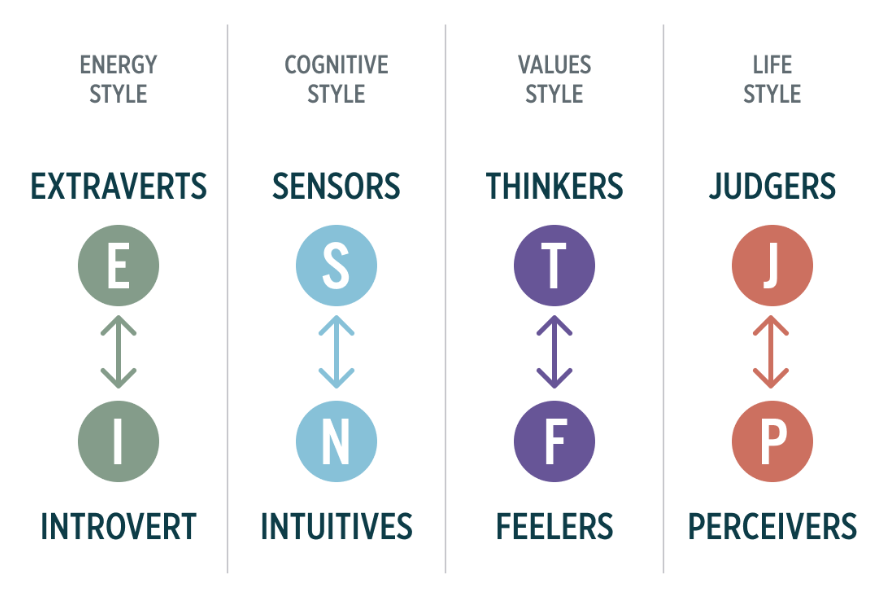
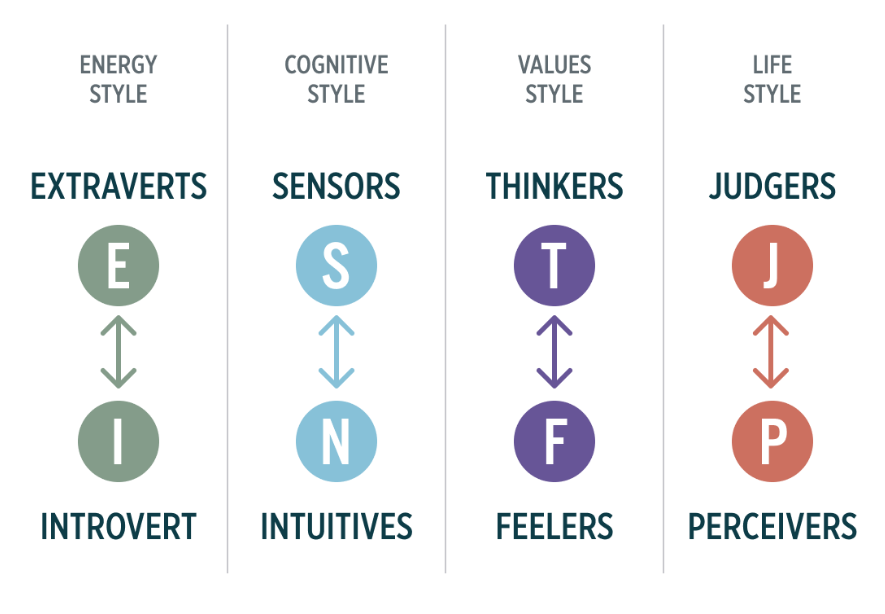
The Michael Caloz Cognitive Functions Test is a popular MBTI-style personality assessment designed for users who want to explore their personality type through Jungian cognitive functions rather than only four-letter MBTI results.
Unlike many beginner personality quizzes that simply provide a result such as INFP, INTJ, or ENFP, the Michael Caloz test focuses on how people naturally process information, make decisions, solve problems, and interact with the world.
The test is especially popular among MBTI enthusiasts who are interested in understanding function stacks, dominant functions, auxiliary functions, and the differences between similar personality types.
Many users choose the Michael Caloz Cognitive Functions Test when they are confused between types such as:
- INFJ vs INFP
- INTJ vs INTP
- ENTP vs ENFP
- ISTP vs ISTJ
- ISFP vs INFP
Michael Caloz Cognitive Functions Test Overview
| Test Name | Michael Caloz Cognitive Functions Test |
|---|---|
| Main Focus | Jungian cognitive functions and MBTI type analysis |
| Personality System | MBTI / Cognitive Functions Theory |
| Result Format | Function scores and possible personality types |
| Best For | Advanced MBTI learners and personality enthusiasts |
How Does the Michael Caloz Test Work?
The Michael Caloz Cognitive Functions Test analyzes your preferences across the eight Jungian cognitive functions:
- Introverted Thinking (Ti)
- Extraverted Thinking (Te)
- Introverted Feeling (Fi)
- Extraverted Feeling (Fe)
- Introverted Intuition (Ni)
- Extraverted Intuition (Ne)
- Introverted Sensing (Si)
- Extraverted Sensing (Se)
Instead of asking only whether you are "logical" or "creative," the test attempts to identify the mental processes behind your behavior.
For example:
- Do you prefer analyzing ideas internally?
- Do you naturally organize external systems?
- Do you focus on future patterns?
- Do you explore multiple possibilities?
- Do you prioritize personal values or group harmony?
What Are Cognitive Functions in MBTI?
Introverted Thinking (Ti)
Ti focuses on internal logic, accuracy, and understanding how things work. People with strong Ti often enjoy analyzing concepts and creating their own logical frameworks.
Extraverted Thinking (Te)
Te focuses on efficiency, organization, measurable results, and external systems. Strong Te users often enjoy planning and improving processes.
Introverted Feeling (Fi)
Fi focuses on personal values, authenticity, emotions, and individual beliefs. Strong Fi users often make decisions based on what feels personally meaningful.
Extraverted Feeling (Fe)
Fe focuses on social harmony, relationships, emotional awareness, and group needs.
Introverted Intuition (Ni)
Ni focuses on patterns, future possibilities, insights, and deeper meanings behind information.
Extraverted Intuition (Ne)
Ne focuses on exploring possibilities, ideas, connections, and alternative perspectives.
Introverted Sensing (Si)
Si focuses on memories, previous experiences, details, and familiarity.
Extraverted Sensing (Se)
Se focuses on real-time experiences, physical awareness, action, and responding quickly to the environment.
How Are Michael Caloz Results Different From Simple MBTI Tests?
Traditional personality tests often work like this:
Questions → Four letters → Personality description
The Michael Caloz approach focuses more on:
Questions → Cognitive functions → Function patterns → Possible MBTI types
This makes the test especially useful for users who feel that a simple four-letter result does not fully explain their personality.
Understanding Michael Caloz Function Results
The test may show how strongly different cognitive functions appear in your answers.
For example:
| Function Pattern | Possible Types |
|---|---|
| Strong Ni + Fe | INFJ |
| Strong Fi + Ne | INFP / ENFP |
| Strong Ti + Ne | INTP / ENTP |
| Strong Te + Ni | INTJ / ENTJ |
| Strong Se + Ti | ISTP |
The purpose is not simply finding a label but understanding why a personality type may fit.
Michael Caloz vs Sakinorva Cognitive Functions Test
| Feature | Michael Caloz | Sakinorva |
|---|---|---|
| Main Focus | Cognitive function analysis | Cognitive function scoring |
| User Experience | Structured and guided | More technical and detailed |
| Best For | Users learning MBTI functions | Advanced typology enthusiasts |
| Results | Function explanations and type suggestions | Detailed function scores |
Both tests are popular among MBTI communities. Michael Caloz is often considered easier for beginners who want to learn cognitive functions, while Sakinorva may appeal more to users who enjoy deeper analysis.
Michael Caloz vs 16Personalities
| Feature | Michael Caloz | 16Personalities |
|---|---|---|
| Main Approach | Cognitive functions | Trait-based personality description |
| Difficulty | Intermediate | Beginner-friendly |
| Focus | How you think | How you behave and communicate |
| Best Audience | MBTI enthusiasts | General personality exploration |
Is the Michael Caloz Cognitive Functions Test Accurate?
No online personality test can perfectly determine someone's personality type. Results depend on how honestly users answer and how accurately they understand the questions.
The test can be useful because it encourages deeper self-reflection, but it should not be considered a scientific diagnosis.
Factors that may influence results include:
- Your current environment
- Your work or school behavior
- Your emotional state
- Your understanding of MBTI theory
- Personal development over time
Why Do People Take the Michael Caloz Test?
- They received different MBTI results from different tests.
- They want to understand cognitive functions.
- They are confused between similar personality types.
- They enjoy Jungian psychology and personality theory.
- They want a deeper explanation than simple personality labels.
Common Mistypes the Michael Caloz Test Helps Explore
INFJ vs INFP
Both types can appear creative, empathetic, and idealistic.
The difference often involves:
- INFJ: Pattern-focused, future-oriented, harmony-focused
- INFP: Value-focused, authenticity-focused, identity-focused
INTJ vs INTP
Both types are analytical and independent.
- INTJ: Strategy, planning, execution
- INTP: Exploration, theories, understanding systems
ENFP vs ENTP
Both types enjoy ideas and possibilities.
- ENFP: Values and emotional meaning
- ENTP: Logic, debate, experimentation
Who Should Take the Michael Caloz Cognitive Functions Test?
This test is especially suitable for:
- MBTI enthusiasts
- People studying cognitive functions
- Users unsure about their type
- People comparing different personality tests
- Fans of Jungian psychology
Beginners may want to learn basic MBTI concepts first before interpreting function results.
Frequently Asked Questions
What is the Michael Caloz Cognitive Functions Test?
It is an online personality assessment that analyzes Jungian cognitive functions to estimate possible MBTI personality types.
Is Michael Caloz an official MBTI test?
No. It is a community-created MBTI-style assessment and is not the official Myers-Briggs Type Indicator.
Is Michael Caloz better than Sakinorva?
It depends on your goal. Michael Caloz may be easier for learning cognitive functions, while Sakinorva provides more technical function analysis.
Can Michael Caloz results change?
Yes. Results can change depending on your answers, personal development, and how you interpret questions.
Why do people prefer cognitive functions tests?
Many users feel cognitive functions explain the reasons behind their behavior better than simple personality labels.
Conclusion
The Michael Caloz Cognitive Functions Test is a valuable tool for people who want to explore MBTI beyond four-letter personality types. By focusing on cognitive functions, it provides a deeper look at how individuals process information, make decisions, and understand the world.
Although it is not an official psychological assessment, it can be a useful resource for MBTI enthusiasts who want to compare results, understand function stacks, and explore personality theory in greater depth.